
Share article
An e-zine is a digital publication, short for “electronic magazine.” It is an issue-based publication distributed by email, on a website, or through a digital publishing platform instead of in print. The term is less common today than “digital magazine” or “email newsletter,” but the format is still widely used.
This guide breaks down the e-zine definition, what these publications typically include, compares them to adjacent formats, and walks through how to plan, design, and distribute one.
What Is an E-Zine?
An e-zine is a digital publication distributed electronically instead of in print, short for electronic magazine. It covers content sent by email, hosted on a website, or built inside a digital publishing platform.
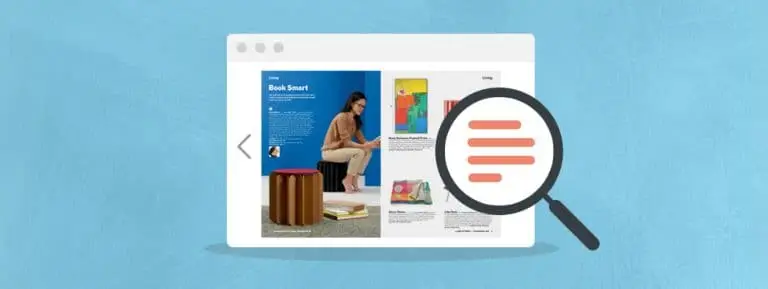
An e-zine is a digital publication, or electronic magazine, distributed through digital channels such as email, websites, or digital publishing platforms. It can combine articles, visuals, links, and multimedia in a single publication.
The word grew out of print zine culture, and its meaning has shifted since. Early e-zines were plain-text files or email attachments. Today the same term covers a five-minute business digest and a fully designed digital magazine with embedded video and product links.
What Does an E-Zine Contain?
An e-zine typically combines written, visual, and multimedia content into a curated digital publication. The exact mix depends on the publisher and audience, but most draw from the same building blocks:
- Articles and features covering a defined topic or beat.
- Interviews with experts, customers, or industry figures.
- Reviews of products, services, tools, or media.
- Images, illustrations, and infographics that support the written content.
- Embedded video or audio segments.
- Links to related content, products, or external resources.
Not every issue uses all of these elements. A short business e-zine might lean on text and data visuals, while a creative or lifestyle one often leans harder on photography, illustration, and video.
E-Zine vs. Newsletter vs. Digital Magazine
These three terms overlap, and the boundaries between them are not fixed. A newsletter typically means a shorter, more frequent update built around a tight roundup and delivered mainly by email. An e-zine can look similar but usually carries more editorial weight, closer to a magazine issue than a quick digest.
A digital magazine is the broader umbrella term. Large print publishers use it for a digital reproduction of an existing print title, while other publishers use it simply to sound more current than “e-zine,” which carries an older, more grassroots connotation.
In practice, many publications sit across all three labels at once. A weekly business e-zine can be called a newsletter by its subscribers and a digital magazine by its own masthead, and neither description is wrong.
E-Zine vs. Blog and Email Marketing
An e-zine differs from a blog in structure.
A blog publishes individual posts continuously, while an e-zine bundles content into dated issues that readers receive or open as one unit. A promotional email campaign aims to drive a specific action, such as a purchase or signup. An e-zine’s primary job is to deliver content subscribers want to read, even when it supports a business goal.
It differs from email marketing in purpose and communication model. Email marketing is a broader communication channel that often supports goals such as promotion, lead nurturing, retention, or conversion.
An e-zine is editorial first: even when it supports a business goal, its core function is delivering content a subscriber wants to read, not prompting immediate conversion.
What Are the Different Types of E-Zines?
E-zines can be categorized by their audience, subject, and editorial purpose. Common types include business, educational, industry, community, and creative e-zines.
- Business e-zines cover company news, industry trends, or professional advice for a business audience.
- Educational e-zines teach a skill or explain a subject in depth, often issue by issue, for students, practitioners, or hobbyists.
- Industry or trade e-zines focus on a specific sector, aimed at professionals who need regular updates on that field.
- Community or niche e-zines serve a defined interest group, such as a hobby, fandom, or local community, and often carry a more personal editorial voice.
- Creative e-zines center on fiction, art, fashion, photography, or other creative work, typically curated around a theme or contributor pool.
The category shapes both content and tone: trade leans toward data and analysis, while creative prioritizes visual presentation and narrative voice.
E-Zine Examples
Looking at real e-zine examples across categories shows how differently the format can be applied.
- Morning Brew is a free daily business e-zine sent by email. Almost all of its revenue comes from advertising, including ads within the newsletter, and its main newsletter has over 4 million subscribers. It shows how a short, conversational format can scale on an ad-supported model.
- Smashing Magazine was founded in Germany in September 2006 and publishes practical articles for web designers and developers. It pairs those articles with a weekly newsletter of in-depth tips. It shows the educational model: teaching a professional skill issue by issue.
- Stratechery analyzes the strategy and business of technology and media. Its weekly articles are free, while three Daily Updates a week are for paying subscribers only. It shows how a single-author industry e-zine can run on a freemium subscription model.
- Clarkesworld is an online science fiction and fantasy magazine. It has been published monthly since October 2006 and won the Hugo Award for Best Semiprozine in 2010, 2011, and 2013. It shows the creative end of the format, where the issue itself is the product.
Across these examples, the common thread is a defined audience, a consistent publication rhythm, and editorial content built around that audience’s interests.
Why Create an E-Zine?
Publishers create e-zines for several overlapping, practical reasons:
- Sharing expertise. A regular publication lets a business or individual demonstrate knowledge in a specific area over time, rather than in a single piece of content.
- Building an audience. Consistent issues give readers a reason to return and a format to subscribe to.
- Engaging existing subscribers. An e-zine keeps a subscriber list active between other touchpoints, such as product launches or campaigns.
- Supporting brand communication. Editorial content lets a brand communicate values, positioning, or company news without a hard sales pitch.
- Presenting products or services through editorial content. A retailer or brand can showcase offerings inside a broader editorial context, which reads less like advertising than a direct promotion would.
How to Create an E-Zine
Creating an e-zine follows a consistent workflow regardless of category or format:
- Define the audience and purpose. Identify the intended reader and the primary goal of the publication.
- Plan the content. Map out the sections, contributors, and recurring features that will fill each issue.
- Choose a format. Decide whether it will be text-based, image-heavy, video-inclusive, or a mix, based on the content plan.
- Design the publication. Build a layout and visual identity that fits the content and audience.
- Select a publishing method. Options include email platforms, a CMS-based website, downloadable PDFs, or an interactive digital publishing platform.
- Add relevant interactive elements. Links, embedded media, and clickable product or content tags can extend an otherwise static layout.
- Test the issue. Check formatting, links, and readability across devices before it goes out.
- Publish. Distribute the finished issue through the chosen channel or channels.
The publishing method matters most here. An email platform suits a simple, text-driven issue, while an interactive publishing platform supports richer layouts, embedded media, and clickable elements without custom development.
Where Can You Distribute an E-Zine?
An e-zine can reach readers through several channels, and the channel shapes how the content is accessed and read.
- Email delivers an e-zine directly to subscribers’ inboxes and works well for recurring distribution.
- Websites let readers browse on their own schedule, without needing a direct send, but rely on the reader remembering to visit.
- Social media extends reach beyond a subscriber list, though the reading experience is typically shorter and more fragmented than email or a dedicated site.
- Digital publishing platforms host the full publication in an interactive, magazine-like format, combining the discoverability of the web with a more structured reading experience than a typical webpage.
Many publishers use more than one channel at once, treating email as the primary delivery method and the website or a publishing platform as the archive readers can return to later.
Are E-Zines Still Relevant?
The e-zine format remains relevant, although the term is less common than “digital magazine,” “online magazine,” or “email newsletter.” Publishers still use digital publications to package editorial content for digital distribution. What has changed is less the format and more the tools behind it.
Modern digital publishing platforms turn a static document or product feed into an interactive, trackable publication, which is part of why the broader category keeps growing even as the word “e-zine” itself fades from common use.
Ready to take your e-zine beyond static pages? Create interactive digital publications with Publitas and give readers a more engaging way to explore your content.
FAQs
Can an e-zine be free or paid?
Yes, e-zines use a range of access models, including free access, paid subscriptions, memberships, and sponsorships. The right model depends on the publisher’s goals and audience, not any single industry standard.
How long should an e-zine be?
There’s no fixed length for an e-zine. The length should depend on publication frequency, audience expectations, content depth, and reading format, whether that’s a quick email digest or a longer, magazine-style issue.
How often should an e-zine be published?
Publication cadence is an editorial decision, not a fixed rule. It should match the volume of content a publisher can consistently produce and the frequency an audience realistically expects, rather than a universal schedule.
Can an e-zine be accessed without an internet connection?
It depends on the format. Online-first e-zines, hosted on a website or publishing platform, generally require a connection to view. A downloadable format, such as a PDF, can be saved and accessed offline.
How do you measure the performance of an e-zine?
Measure the performance of an e-zine using metrics that match its distribution channel and goal. Email publications can track clicks, click-through rate, conversions, and other engagement signals, while web-based publications can track readership, page views, interactions, and downstream actions. Open rates should be interpreted cautiously because some email clients limit open tracking.
Enjoyed this article?
Get the next one straight to your inbox.