
Share article
Many digital catalogs generate views but fail to drive measurable sales because customers leave the catalog to search for products elsewhere, breaking the attribution trail. A flipbook as a revenue channel solves this challenge by combining shoppable product links, campaign-driven distribution, and performance tracking. Instead of functioning as a static publishing asset, the flipbook becomes a commerce-enabled experience where every click can be measured and connected to revenue. This approach helps retail and ecommerce teams improve product discovery, track conversions, and demonstrate clear business impact.
What Does It Mean for a Flipbook to Be a Revenue Channel?
The global digital catalog market is projected to grow from $122.5 billion in 2024 to $651 billion by 2033. That growth is not driven by PDFs. It is driven by catalogs that behave like storefronts, connecting inspiration to transaction at the moment of intent. Every retailer treating a flipbook as a revenue channel is positioning for a share of that growth.
A revenue channel is any touchpoint that directly contributes to sales. Defining a flipbook as a revenue channel means turning a static digital document into an interactive experience that drives digital catalog revenue. Through shoppable product hotspots, embedded purchase links, lead capture forms, subscriptions, and sponsored content, flipbooks can generate measurable business results.
For retail and ecommerce teams, every click, interaction, and conversion becomes trackable, helping connect customer engagement to actual sales. This transforms the flipbook from a passive content asset into a performance-driven tool that grows digital catalog revenue and supports accurate revenue attribution.
Why More Retailers Are Treating Their Flipbook as a Revenue Channel
More retailers are treating their flipbooks as a Revenue Channel by transforming static catalogs into a shoppable digital catalog that drives sales and measurable business outcomes.
- Shoppable Interactions: Customers can click, explore, and purchase products directly within the catalog.
- Enhanced Product Discovery: Curated collections support cross-selling and upselling opportunities.
- Deep Content Analytics: Retailers gain insights into page engagement, product interest, and click behavior.
- Elimination of Overhead: Digital catalogs reduce printing and distribution costs while enabling instant updates.
These capabilities help retailers convert browsing into revenue while improving customer experience and marketing ROI.
The 5 Building Blocks of a Revenue-Generating Flipbook
A flipbook does not become a revenue channel simply by being digital. To consistently drive sales and increase digital catalog revenue, it must be designed to connect product discovery, customer engagement, and purchase actions within a measurable framework.
1. Make Every Product Clickable
The most direct path from a shoppable digital catalog to revenue is a product link. For a flipbook as a revenue channel to work, every item shown must link to its product page, cart, or a custom landing page. Product tagging should include structured data so click behavior reveals which products attract attention, not just which pages get views.
2. Reduce Friction Between Discovery and Purchase
Friction is any gap between a customer deciding they want something and completing the purchase. In a catalog context, that includes leaving to search for a product, a confusing checkout flow, or a desktop-only layout on mobile. Product links should open in a new tab to preserve the browsing session. Checkout flows should be optimized for the device most catalog viewers are using.
3. Optimize for Product Discovery
Not every customer enters a catalog knowing what they want. Search, visual navigation, and curated collections help shoppers find products they did not know they needed. Category filters, featured placements, and internal search make catalogs act more like a merchandising tool. The result is higher engagement time and more clicks per session, both feeding directly into digital catalog revenue.
4. Personalize Distribution
The same catalog delivered to every customer is a missed opportunity. Segmenting distribution by customer type, purchase history, or campaign context puts the right products in front of the right audience. Dynamic catalog links, personalized email distribution, or campaign-specific versions of a single catalog can achieve meaningful personalization without multiplying production workload.
5. Measure Revenue Contribution
Attribution is the missing piece in most digital catalog strategies. UTM parameters on all catalog links allow you to segment catalog-driven traffic in your analytics platform. When combined with goal tracking on product pages, this creates a direct line between catalog engagement and digital catalog ROI.
How to Know If Your Flipbook as a Revenue Channel Is Actually Working
Measuring digital catalog ROI starts with defining what counts as a conversion. For most retailers, this means a completed purchase, but it can also include add-to-cart events or product page visits from catalog sessions. The core measurement framework for a flipbook as a revenue channel includes.
- UTM-tagged catalog links that identify catalog-driven sessions in your analytics platform
- Goal tracking on conversion events, so catalog sessions are credited when a purchase occurs
- Engagement metrics inside the catalog: page depth, click-through rate per product, and session duration
- Assisted conversion reports capturing purchases where the catalog was visited earlier in the buying journey
Retailers who implement this model consistently find that their flipbook as a revenue channel has always generated more than the attribution reports showed. The catalog was influencing sales that were credited to other channels because tracking was incomplete.
Common Reasons Flipbooks Fail to Generate Revenue
Many organizations invest in digital catalogs expecting better engagement and sales, yet fail to see measurable results. In most cases, the issue is not the catalog itself but the lack of features, tracking, and optimization needed to turn it into a revenue-generating asset.
Reason #1: They Function Like PDFs
A PDF dropped into a flipbook viewer is still a PDF. Without product links, search, or interactive elements, the browsing experience leads nowhere, and a customer cannot act. The catalog becomes a visual reference rather than a purchase trigger.
Reason #2: Products Are Not Shoppable
Showing a product without linking to its purchase path is the most common missed opportunity in digital catalog production. If a customer cannot click through from a catalog spread to the product page, the catalog generated interest without capturing the sale. The gap between browsing and buying is where digital catalog revenue gets lost.
Reason #3: No Attribution Model Exists
When catalog links are not tagged, and catalog traffic is not tracked, the revenue contribution becomes invisible. Teams see page views but cannot connect engagement to sales. Building a flipbook as a revenue channel requires closing this measurement gap.
Reason #4: Catalogs Are Disconnected from Campaigns
A catalog published without a distribution strategy misses most of its potential audience. High-performing catalogs are promoted through email, social media, paid advertising, and on-site placements aligned with seasonal and promotional campaigns.
Reason #5: Mobile Experience Is Poor
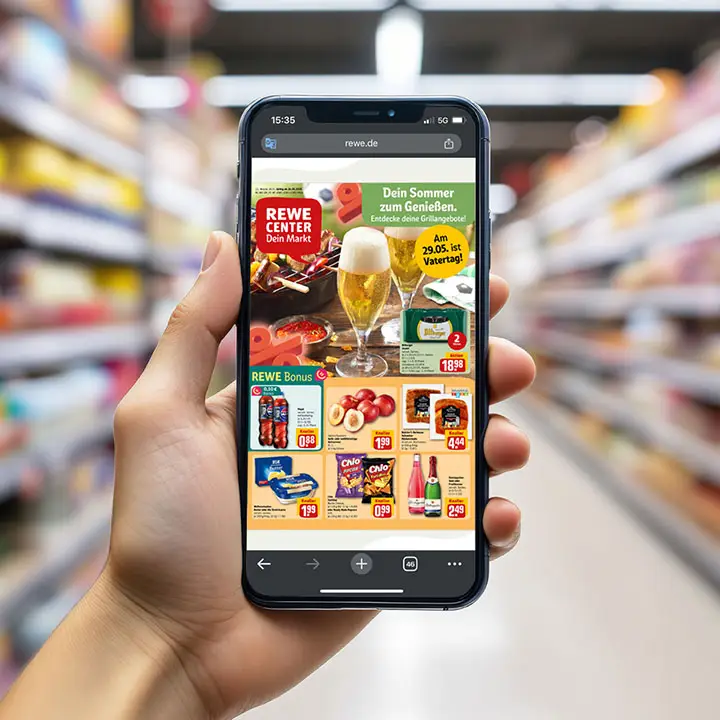
Most online shopping now happens on mobile devices. A catalog that requires excessive zooming, slow loading, or difficult navigation is not a shoppable digital catalog. Mobile-first design, fast performance, and intuitive interactions are essential for driving digital catalog revenue.
A 90-Day Plan to Turn Your Flipbook Into a Revenue Channel
Transforming a flipbook into a revenue-generating asset does not require a complete rebuild. By following a structured 90-day roadmap, retail and ecommerce teams can improve product discoverability, strengthen attribution, and create a measurable path from catalog engagement to sales.
Days 1-30: Establish Foundations
Audit your existing catalog for product link coverage, mobile rendering quality, and available engagement data. Most teams discover that a significant share of products have no outbound links at all. Without those links, building a flipbook as a revenue channel is not yet possible.
- Audit existing catalog performance: page depth, exit rates, and available click data.
- Add product links to every item, prioritizing hero products and high-margin lines.
- Review mobile experience on multiple device sizes, noting layout breakages and small tap targets.
- Set up UTM tracking on all catalog links and configure goal tracking in your analytics platform.
Days 31-60: Improve Product Discovery
With the technical foundation in place, focus on making the catalog easier to navigate for shoppers who are browsing without a specific product in mind.
- Add or verify that the internal search is functional and surfaces relevant products.
- Improve navigation with clear category sections and visual anchors for key product ranges.
- Highlight key campaigns with featured placements and a clear visual hierarchy.
- Optimize catalog structure so highest-intent products appear early, before drop-off in session depth.
Days 61-90: Optimize for Revenue
With tracking in place and the product experience improved, use the data to refine both catalog content and distribution. By day 90, your flipbook as a revenue channel should be visible in attribution reports, with catalog-driven sessions credited across assisted and direct conversions.
- Analyze click behavior by product and page to identify what drives engagement versus what is skipped.
- Identify top-performing products and increase their visibility in the next catalog version.
- Refine distribution strategy based on which campaigns and segments drove the highest click-through rates.
- Measure attributed revenue across the full 90-day period and build the business case for continued investment.
The Future of Flipbooks Is Commerce, Not Publishing
The flipbook format started as a way to replicate the print catalog experience online. The next version of the format is a commerce layer including a browsable, discoverable, shoppable experience that sits between product inspiration and purchase completion. Treating a flipbook as a revenue channel is not a design decision. It is a strategic one.
Interactive features, campaign integration, and mobile-first design are table stakes for any catalog that intends to function as a flipbook as a revenue channel. Static formats that require a viewer to navigate from inspiration to purchase on their own will continue to lose ground to experiences that close that gap.
Retail and ecommerce teams looking to build this kind of experience can explore Publitas, a platform built to turn digital catalogs into shoppable, trackable revenue channels for retail brands.
Conclusion
A flipbook as a revenue channel is not a new format. It is a new way of using the format you already have. The catalog content, the product imagery, and the brand narrative are already there. What most retailers are missing is the infrastructure that connects that content to transactions, such as shoppable links, mobile-optimized layouts, campaign integration, and attribution tracking that makes digital catalog ROI visible. The 90-day plan in this article is designed to install that infrastructure without rebuilding your catalog from scratch. Let the data prove that your flipbook as a revenue channel is already outperforming what attribution was showing you before.
FAQs
Can a digital flipbook directly generate online sales?
Yes. When a flipbook includes product links that connect directly to purchase pages, it can drive sales as part of a tracked conversion funnel. Product links must be present, and attribution must be configured so that catalog-driven sessions are credited when a purchase occurs.
How do you measure the ROI of a flipbook?
Digital catalog ROI is measured by tagging all outbound catalog links with UTM parameters, setting up goal tracking on key conversion events, and reporting on sessions that originated from the catalog. Assisted conversion reports also capture purchases where the catalog was visited earlier in the buying journey, but was not the final touchpoint before checkout.
What features does a flipbook need to become a revenue channel?
Clickable product links on every item, UTM-tagged URLs, a mobile-optimized layout, and integration with a campaign distribution strategy. More advanced implementations add internal product search, segmented distribution by audience, and add-to-cart functionality that reduces friction between catalog browsing and purchase completion.
What is the difference between a PDF catalog and a revenue-generating flipbook?
A PDF catalog is a static document. A shoppable digital catalog is an interactive experience where products are linked, browsing behavior is tracked, and the catalog connects to the purchase funnel. The visual format may look similar, but the infrastructure behind a revenue-generating flipbook is fundamentally different from a document viewer.
How can retailers increase revenue from digital catalogs?
The highest-impact changes are adding product links to every item, optimizing for mobile, connecting catalog distribution to active campaigns, and implementing attribution tracking. Improving navigation and product search also increases the number of products a customer discovers per session, which directly increases click volume and digital catalog revenue attribution.
Enjoyed this article?
Get the next one straight to your inbox.