
Share article
Many ecommerce brands attract strong traffic but struggle to convert visitors into customers because of hidden ecommerce conversion friction across navigation, product discovery, mobile experiences, and checkout. These barriers create confusion, increase abandonment, and reduce revenue. By identifying and eliminating friction points throughout the customer journey, businesses can improve user experience, increase conversion rates, and maximize the return on existing traffic.
This guide provides a practical framework for understanding ecommerce conversion friction, locating its root causes, and implementing improvements that drive measurable sales growth.
What is Ecommerce Conversion Friction?
Ecommerce conversion friction refers to any hurdle in the shopping journey that confuses, frustrates, or slows down customers, reducing the likelihood of a purchase. Every unnecessary click, moment of doubt, delay, or extra step can interrupt buyer momentum and increase cart abandonment. Friction can be structural, such as poor navigation and complex category hierarchies; informational, such as missing product details or unclear shipping policies; or emotional, such as a checkout process that feels overwhelming or untrustworthy.
The core challenge is that shoppers arrive with purchase intent. Ecommerce conversion friction is anything that makes it harder to act on that intent. While some hesitation is natural, most friction arises from the shopping experience itself and can be identified, measured, and removed.
Why Ecommerce Conversion Friction Matters More Than Ever
The bar for ecommerce conversion optimization keeps rising. Shoppers now expect fast load times, intuitive navigation, rich product visuals, and a checkout that does not ask them to create an account before they can pay. When a competing store delivers those things more smoothly, the cost of ecommerce conversion friction increases.
At the same time, paid acquisition costs have climbed significantly. Spending more to drive traffic into a friction-filled funnel is a losing model. Fixing online shopping friction generates returns from the traffic you already have, making it a more capital-efficient path to growth than simply increasing ad spend.
For retail brands running digital catalogs and promotional content, friction is often compounded across channels. A shopper who browses a digital lookbook but then struggles to find the featured product on the main site has hit friction at a transition point that most analytics tools struggle to surface. These ecommerce friction points are easy to overlook and expensive to ignore.
8 Biggest Ecommerce Conversion Friction Points
Even small obstacles can disrupt the path to purchase and reduce conversion rates. Understanding the biggest sources of ecommerce conversion friction helps retailers identify revenue leaks and create a smoother, more effective shopping experience.
1. Poor Product Discovery
Product discovery ecommerce failures are among the most common and most damaging sources of ecommerce conversion friction. When shoppers cannot quickly find what they are looking for, they leave. This applies whether they arrive via a paid ad, an email campaign, or a social post. If the landing experience does not surface the right product in the first few seconds, the visit is lost. For retailers with large or seasonal catalogs, product discovery ecommerce is a particularly vulnerable area.
2. Confusing Navigation and Category Structures
A cluttered or inconsistently organized navigation forces shoppers to think harder than they should. When top-level categories overlap, subcategory naming is inconsistent, or breadcrumbs are absent, users lose confidence in the site and default to leaving. Clear, tested category structures directly reduce ecommerce friction points at the browsing stage.
3. Weak Search and Filtering Experiences
Search users are typically high-intent shoppers. When site search returns irrelevant results, fails to recognize common terms, or lacks useful filters, it creates unnecessary friction and reduces conversion potential.
4. Decision Fatigue from Too Much Choice
Presenting too many undifferentiated options at once creates a form of online shopping friction that does not always register in standard funnel metrics. Shoppers scroll through a large grid, fail to identify a clear best option, and exit to research elsewhere. Curated collections, guided selling tools, and structured product comparisons help reduce the cognitive load that leads to no decision.
5. Poor Mobile Shopping Experiences
Mobile devices now generate the majority of ecommerce traffic and account for approximately 60% of global online sales, yet mobile shopping friction remains a major conversion challenge. Small tap targets, poorly optimized images, complex checkout forms, and slow-loading pages can significantly reduce mobile conversion rates. Because mobile users interact differently from desktop shoppers, analyzing mobile performance separately often reveals critical friction points that aggregated reporting fails to capture.
6. Incomplete or Unhelpful Product Information
A shopper who reaches a product page and cannot answer basic questions about fit, compatibility, delivery timing, or return policy will not convert. Missing dimensions, vague material descriptions, and absent care instructions are common examples. Comprehensive, scannable product information reduces uncertainty and moves the shopper toward a decision.
7. Disconnected Promotional Experiences
When promotional content, such as a digital catalog, email campaign, or social ad, does not connect cleanly to the correct product or category page, the journey breaks. This is a particularly common ecommerce friction point for retailers running complex seasonal campaigns. The shopper follows the creative, arrives on a generic homepage or a category page that does not match the promotion, and abandons.
8. Inconsistent Customer Journeys Across Channels
Shoppers move between channels, from social to email to direct site visits, and expect a coherent experience throughout. When pricing, inventory status, or promotional messaging differs between touchpoints, it creates uncertainty that reads as conversion friction. Addressing this form of ecommerce conversion friction requires cross-channel consistency as a baseline. Pricing, messaging, and inventory status should align at every touchpoint a shopper might use.
How to Identify Conversion Friction in Your Ecommerce Journey
Identifying Ecommerce conversion friction requires looking beyond overall conversion rates to understand where shoppers struggle or abandon their journey.
1. Analyze Funnel Drop-Offs
Start with your funnel data. Where are visitors leaving relative to where the journey should be taking them? A high exit rate from product pages suggests content gaps. High abandonment at checkout points to cost or complexity issues. Mapping drop-off rates to specific pages gives you a prioritized list of ecommerce conversion friction points to investigate and fix in order of impact.
2. Study Customer Behavior
Session recordings, heatmaps, and scroll maps reveal how shoppers actually behave on your pages. Look for rage clicks, repeated scrolling without action, and high hesitation before add-to-cart events. These behavioral signals point to friction that aggregate page metrics will not surface.
3. Evaluate Search and Navigation Data
Your internal site search logs are a direct record of what shoppers are looking for and failing to find. High zero-results queries indicate gaps in product discovery ecommerce performance. Common searches that lead to low conversion rates suggest that results are showing but not matching intent. Both patterns represent fixable friction.
4. Review Mobile Performance Separately
Mobile users behave differently and face different friction than desktop users. Reviewing mobile funnel data independently, rather than as part of a blended view, will surface device-specific problems that are invisible in aggregate. Pay particular attention to form completion rates and page load times on mobile.
A Framework for Prioritizing Conversion Friction Fixes
Effective ecommerce conversion optimization starts by prioritizing ecommerce conversion friction fixes based on revenue impact and implementation effort, ensuring teams focus on the changes that deliver the highest return.
1. High Impact + Low Effort
These are your immediate wins. Common examples include adding guest checkout, displaying shipping costs earlier in the funnel, improving zero-results search handling, and fixing broken links between promotional content and product pages. Prioritize these first.
2. High Impact + High Effort
These are your strategic investments. Site search platform upgrades, full mobile checkout redesigns, and catalog-to-product-page integration work fall here. These require more planning and resources but deliver significant conversion gains when completed.
3. Low Impact + Low Effort
These are useful incremental improvements. Better product image alt text, minor copy clarifications, and small UX polish items sit in this quadrant. Do them when bandwidth allows, but do not let them crowd out higher-impact work.
4. Low Impact + High Effort
These should be deprioritized or removed from the roadmap entirely. Large redesign projects driven by aesthetic preference rather than behavioral evidence often end up here. Resource spent on these improvements delivers little measurable reduction in conversion friction.
How Better Product Discovery Reduces Ecommerce Conversion Friction
Strong product discovery ecommerce performance is one of the most reliable levers for reducing ecommerce conversion friction. When shoppers can quickly find what they are looking for, or discover relevant products they were not yet aware of, the path to purchase shortens significantly. This applies across the full spectrum of browsing behaviors: shoppers who arrive with a specific product in mind, and those who are open to inspiration but need the right content to guide them.
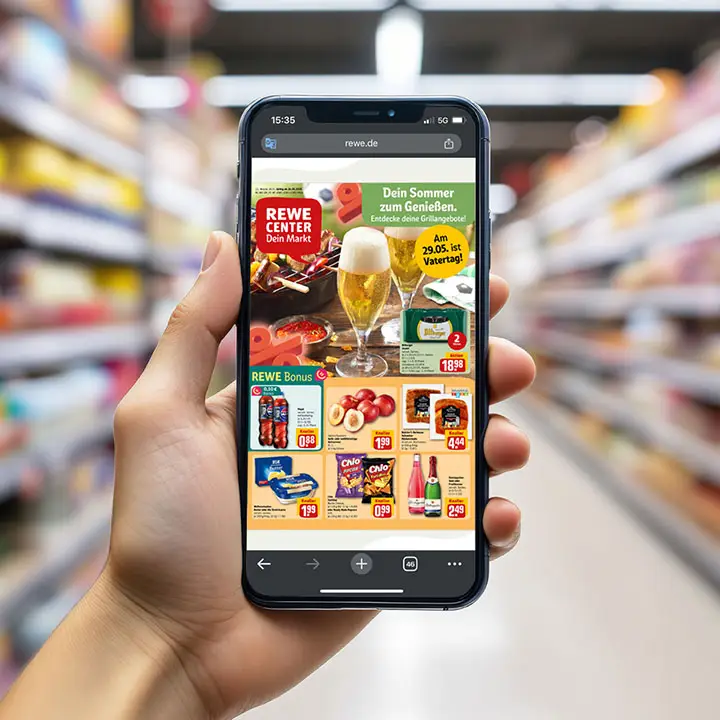
Interactive digital catalogs play a useful role in this context. A well-structured catalog surfaces products in context, links directly to product pages, and reduces the gap between promotional browsing and actual purchase. Publitas enables retail and ecommerce teams to build shoppable digital catalogs that connect promotional content directly to the point of purchase, reducing the disconnect that often causes friction between discovery and conversion.
Combining strong product discovery ecommerce tools with clean navigation, a reliable search experience, and consistent cross-channel messaging creates a compounding effect on conversion rates. Each friction point removed is a higher proportion of motivated shoppers who complete their purchase.
Conclusion
Reducing ecommerce conversion friction is not a one-time project but an ongoing optimization process. The most successful ecommerce teams continuously identify where customers encounter obstacles, prioritize improvements based on revenue impact, and measure results over time. By optimizing product discovery, navigation, search, promotional journeys, and mobile experiences, businesses can create a smoother path to purchase. A disciplined approach to ecommerce conversion friction helps turn existing traffic into more conversions, higher customer satisfaction, and sustainable revenue growth without increasing acquisition costs.
FAQs
What is ecommerce conversion friction?
Ecommerce conversion friction refers to any element of the online shopping experience that creates unnecessary resistance, doubt, or effort for a potential buyer. It includes factors such as poor navigation, slow load times, incomplete product information, and a complex checkout process.
How do I identify conversion friction on my ecommerce site?
Analyze funnel drop-off data to find where visitors leave the journey. Supplement this with session recordings and heatmaps to understand behavioral patterns. Review site search logs for zero-results queries, and assess mobile performance independently from desktop to surface device-specific ecommerce friction points.
What are the biggest causes of ecommerce conversion friction?
The most common causes are poor product discovery, confusing navigation, weak site search and filtering, incomplete product information, slow mobile experiences, and disconnected promotional journeys. Unexpected costs and forced account creation at checkout are also major drivers of abandonment.
How does product discovery affect ecommerce conversions?
When shoppers struggle to find relevant products quickly, they leave without converting. Strong product discovery ecommerce performance, delivered through well-structured navigation, effective search, and curated content such as digital catalogs, shortens the path to purchase and reduces friction at the browsing stage.
Can digital catalogs help reduce ecommerce conversion friction?
Yes. Interactive digital catalogs that link promotional content directly to product pages eliminate a common disconnect in the buyer journey. Instead of landing on a generic homepage after engaging with a catalog, shoppers are taken directly to the product or category they just browsed, reducing conversion friction at the discovery-to-purchase transition.
Enjoyed this article?
Get the next one straight to your inbox.