Share article
A Black Friday strategy for your fashion brand is not one single discount decision. It is a sequence of decisions: which products to promote, which promotional mechanic to use, which customers to prioritize, when to start building demand, how shoppers discover the collection, how the purchase happens, and how results get measured.
Fashion brands face constraints that make this sequence harder than it looks. Inventory is seasonal and finite. Margins on markdown stock are already thin.
A blanket discount can move product while quietly eroding the brand positioning built over the rest of the year. The strategy below works through each decision in order, from goal-setting to post-campaign retention.
Set Your Black Friday Goals Before Choosing an Offer
Before selecting products or discounts, define what the campaign needs to achieve. A Black Friday sales strategy aimed at clearing seasonal inventory looks different from one built to acquire new customers or protect gross margin.
Common goals include revenue growth, inventory movement, customer acquisition, higher average order value, reactivating lapsed customers, and margin protection.
Most brands work toward two or three of these at once, which is why the goal needs to be explicit before anything else gets decided.
Choosing an offer first and working backward into a goal tends to produce a promotion that maximizes the wrong metric.
Choose the metrics that matter
A Black Friday ecommerce strategy should track a small set of metrics tied directly to the stated goal: revenue, conversion rate, average order value, gross margin, and the ratio of new to returning customers.
Tracking all five keeps discount decisions and inventory decisions connected to the same numbers, rather than three separate reads.
Choose the Right Products and Promotion
Select the products
Not every product belongs in a Black Friday promotion. A strong assortment blends more than one of these categories rather than relying on a single logic:
- Best sellers reinforce demand at a lower margin.
- Seasonal products need to move before they lose relevance.
- High-margin items can absorb a deeper discount without erasing profit.
- Excess inventory benefits from the visibility a Black Friday campaign provides.
- Complementary products, paired with a best seller, lift average order value without discounting the anchor item.
Choose the promotional mechanic
Promotional mechanics fall into two groups, and the choice affects both volume and margin:
- Price-led: percentage discounts, tiered discounts that increase with spend, flash sales on a narrow window, free-shipping thresholds.
- Value-led: VIP or early access, a gift with purchase, product bundles, limited editions, exclusive collections built for the event.
Price-led mechanics move volume quickly. Value-led mechanics protect margin and reinforce brand positioning, which matters more for fashion brands selling on more than price.
Check the economics
A promotion is only as good as its economics. Before committing to a method, check:
- Product margin after the discount.
- The cost of shipping and returns on markdown items.
- Customer acquisition cost if the offer targets new shoppers.
- Whether the offer still matches customer expectations and brand positioning.
A Black Friday fashion sales strategy that skips this check tends to generate revenue that looks better than it performs once returns and acquisition costs are counted.
Build Demand Before Black Friday
Treat Black Friday as a campaign period rather than a single day. Demand built in the weeks before the event determines how much traffic already knows what it wants, which shortens the path to purchase.
Create anticipation
Email teasers, SMS alerts, and social previews can surface select products before the sale opens, without revealing full pricing. Product previews and early-access lists give engaged customers a reason to opt in ahead of the campaign, building the segment lists the campaign will need once it launches.
Segment your audience
VIP customers, existing customers, new prospects, and cart abandoners are not the same audience, and a Black Friday promotion strategy that treats them identically wastes both budget and attention.
Different segments can receive different messages, offers, or access windows.
This is the core of personalization for a Black Friday campaign: no separate technology stack required, only a segmentation plan applied consistently.
Create a Focused Black Friday Shopping Experience
Create a dedicated Black Friday destination
A dedicated landing page or collection brings the campaign in one place, rather than asking shoppers to search the wider site for what is actually on sale. Traffic spikes during Black Friday, and so does impatience with navigation. A focused destination should include:
- Clear offer messaging that states the discount without a click-through.
- A strong, single call to action per product or section, rather than competing prompts.
- Mobile-first usability, since this page carries most of the campaign’s traffic.
Curating the collection also does merchandising work: grouping products by category, price point, or occasion helps shoppers self-select rather than scrolling an undifferentiated grid.
Make products easy to evaluate
Once shoppers land on a product, friction shows up in the details rather than the layout. For fashion specifically, evaluation friction tends to translate directly into cart abandonment. Getting these right lets shoppers decide quickly and confidently:
- Photography that clearly shows fit, ideally from different angles.
- Descriptions with enough detail to answer common questions about fabric, care, and sizing.
- Size and fit guidance, informed by past return data where available.
- Search and filters that narrow results fast by size, color, and category.
- Clear promotion details on the product itself, not buried in a banner elsewhere on the page.
A Black Friday strategy for your fashion brand should treat product evaluation as part of the shopping experience, not a separate design concern.
Extend product discovery beyond the website
Product discovery may not end at the website, and for a fashion brand running a Black Friday campaign, it should not. A curated selection can reach shoppers through:
- Digital catalogs.
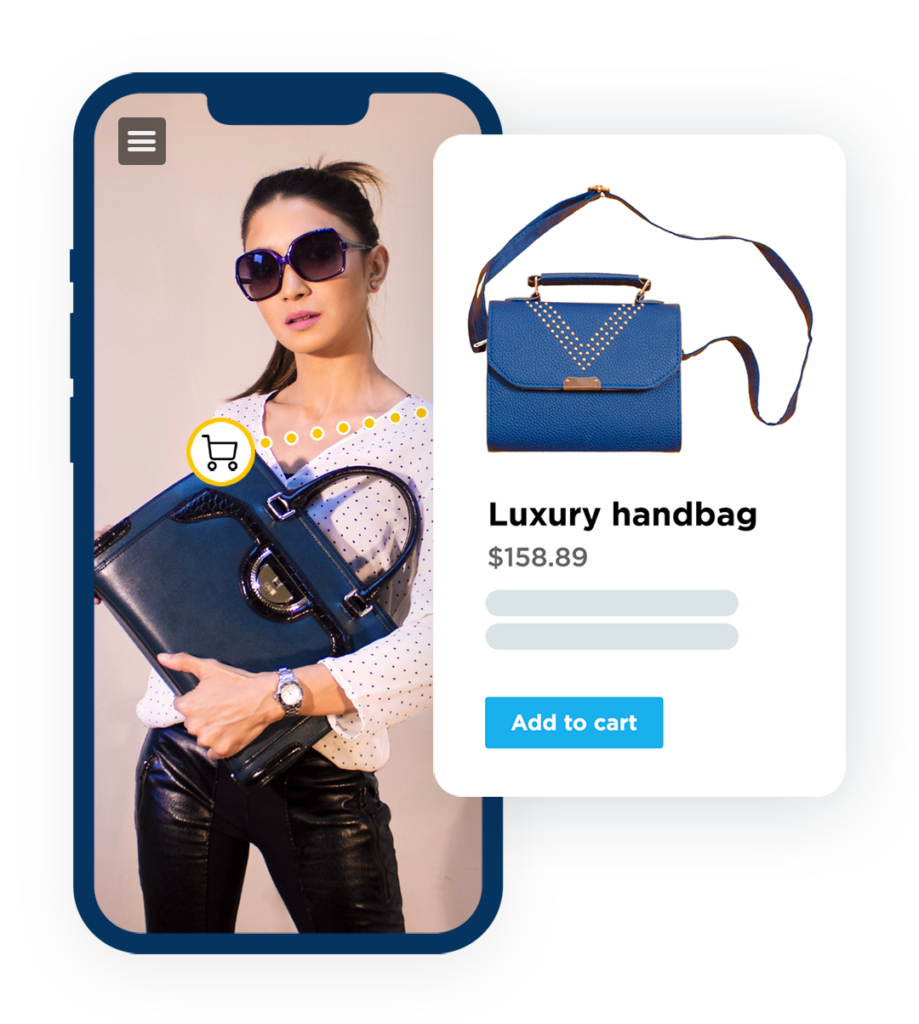
- Shoppable collections.
- Fashion lookbooks.
These formats present products in a visual, browsable format that mirrors how fashion shoppers already discover collections: styled together rather than presented individually.
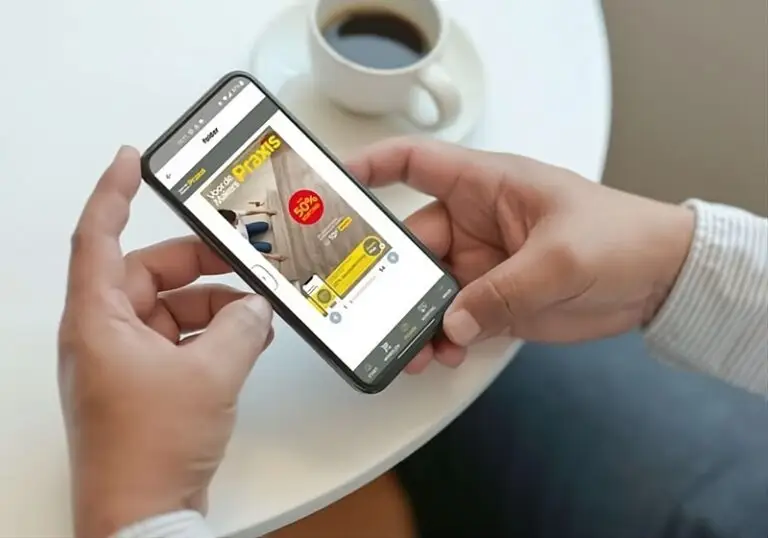
Publitas turns a curated Black Friday selection into a shoppable digital catalog, giving shoppers a dedicated way to browse the campaign’s products before clicking through to purchase.
Promote the Campaign Across the Right Channels
Email and SMS
Sequence messaging across the campaign rather than sending a single blast: an early-access note for segmented lists, a launch message when the sale opens, reminders as it progresses, and a last-day message to shoppers who have not yet converted.
Social and paid media
Social and paid channels extend product discovery to new audiences and support retargeting for shoppers who have already engaged.
Product-focused creative, rather than general brand messaging, performs better during a Black Friday fashion marketing push, since shoppers are already primed to compare specific items and prices.
Keep campaign messaging consistent
Pricing, dates, product availability, promotional messaging, and calls to action need to match across every channel, including any digital catalog shared as a distribution format alongside email or SMS. Inconsistency between channels is one of the fastest ways to lose a shopper’s trust mid-campaign.
Remove Friction From the Purchase
Optimize the conversion path
Once a shopper decides to buy, friction anywhere in the path costs conversions. Mobile experience, site navigation, product information, checkout steps, shipping information, and inventory availability all influence whether a shopper completes the purchase or abandons the cart.
During Black Friday, average cart abandonment rates sit near 70%, which makes checkout friction a Black Friday conversion strategy problem as much as a technical one.
Increase average order value
Cross-sells, complete-the-look recommendations, product bundles, and free-shipping thresholds all encourage shoppers to add one more item before checking out. Each works by making the next item feel like a natural extension of what is already in the cart, rather than a separate purchase decision.
Measure Black Friday Performance and Retain Customers
Measure campaign performance
Track revenue, conversion rate, average order value, gross margin, product-level and channel-level performance, and the split between new and returning customers. Comparing these figures against the stated ROI goal shows whether the campaign delivered results or just movement.
Follow up after Black Friday
Black Friday campaign performance data should feed directly into what happens next: post-purchase communication, product recommendations based on what a customer bought, loyalty incentives, and re-engagement campaigns for shoppers who browsed but did not buy.
Black Friday customers are not a one-time cohort; the follow-up determines whether they become repeat customers.
Black Friday Strategy Checklist
- Set campaign goals.
- Select the products.
- Choose the promotional mechanic.
- Check margins and brand fit.
- Segment your audience.
- Build demand before launch.
- Create the shopping destination.
- Promote across channels.
- Remove purchase friction.
- Measure campaign results.
- Follow up with customers.
FAQs
What is the best Black Friday strategy for a fashion brand?
The best approach combines four decisions: selecting the right products, choosing a promotional mechanic that fits your margins and brand, building demand with segmented audiences beforehand, and executing a focused shopping experience across channels.
What should fashion brands offer on Black Friday?
Options range from discounts and bundles to early access, gifts with purchase, and limited editions. The right choice depends on inventory levels, product margin, and brand positioning.
How early should fashion brands start Black Friday marketing?
Planning should begin several weeks out, with segmentation and list building starting early. Teaser campaigns and early-access promotions typically launch one to two weeks before the sale window opens, giving a Black Friday strategy for your fashion brand time to build momentum.
Enjoyed this article?
Get the next one straight to your inbox.