Share article
Halloween demand builds months before October 31, yet many retailers still activate too late, missing early discovery and consideration phases. As shopper behavior shifts earlier and across channels, capturing intent requires more than last-minute promotions. Reports suggest Halloween spending consistently exceeds $11 billion in the U.S., reaching $12.2 billion in 2023, highlighting the scale of early planning required.
This article explores the key Halloween sales trends shaping the season, what they reveal about changing shopper behavior, and how retailers can activate earlier, improve product discovery, and align marketing strategies to capture demand before competition peaks.
What Retailers Should Do This Halloween
For Halloween trends 2026, winning retailers will focus on earlier activation, social-led discovery, and experience-driven retail. Five key moves stand out.
- Start early and build momentum (mid-May onward): Demand now begins months in advance, fuelled by the rise of “Summerween”. Launch campaigns and product drops early to capture shoppers in the discovery phase, not just at peak.
- Use social trends and design for discovery: Shopper journeys are increasingly driven by TikTok and Instagram. Track viral trends such as animated or “haunted” décor, invest in influencer collaborations, and design digital experiences that encourage browsing over direct search.
- Bundle products and sell complete experiences: Shift from individual SKUs to curated bundles such as costumes with accessories, candy with treat kits, or themed party packs. This simplifies decision-making and increases average order value.
- Focus on value and high-growth categories: Budget-conscious shoppers are prioritising affordable, reusable décor and essentials such as masks and bulk candy. At the same time, categories like home décor, pet costumes, and adult-focused products continue to drive incremental growth.
- Create immersive, shareable retail experiences: Stores should feel like destinations. Interactive displays, haunted setups, and selfie-friendly zones encourage footfall and social sharing. Combine this with limited-time offers and countdowns to drive faster conversions.
These actions align with how Halloween shopping trends is evolving, with earlier planning, stronger influence from social platforms, and a growing preference for value and experiences over one-off purchases.
Why Halloween 2026 Is a Longer, More Complex Retail Moment
Halloween for retailers, this means more opportunity, but also more complexity in planning, timing, and execution.
1. Halloween Starts Earlier Than Ever
Halloween retail trends show that the season has structurally shifted. According to the National Retail Federation, nearly 49% of Halloween shoppers begin purchasing in September or earlier. The “Summerween” phenomenon, driven heavily by TikTok and Gen Z culture, means meaningful spend is now happening in July and August. PwC’s Halloween 2025 survey found that 16% of consumers were already shopping as early as July or August.
For Halloween retail strategy, this is not just a calendar shift. It represents a longer competitive window, one where visibility in early September is as commercially valuable as October placement.
2. Spending Is Growing, But More Selective
Data indicates that Halloween 2025 spending reached a record $13.1 billion, with decorations ($4.2B) nearly matching costumes ($4.3B) in total spend. Growth is expected to continue into 2026, but the composition of that spend is becoming more important. Consumers are showing greater selectivity, directing budgets toward meaningful, experience-driven categories while reducing spend on generic items. Retailers that differentiate through themed assortments and curated experiences are therefore better positioned than those relying primarily on price-led volume.
3. Discovery Is Replacing Search in Seasonal Shopping
Historically, Halloween shoppers searched for what they already had in mind. That dynamic is shifting. Halloween shopping trends now show that a growing share of purchases, especially in costumes and décor, begin not with a search query, but with a piece of content. 32% of Gen Z shoppers use TikTok for Halloween costume inspiration, according to RetailNext, fundamentally changing how retailers need to approach both forecasting and content strategy. The implication for Halloween merchandising ideas is significant. Also, the layout and structure of your seasonal content needs to inspire, not just inform.
The 5 Halloween Sales Trends Defining 2026 (With Retail Execution)
The Halloween trends 2026 below highlight how consumer behavior is evolving and, more importantly, how retailers can translate these shifts into clear execution moves across merchandising, marketing, and timing.
Trend 1: Halloween Becomes a Multi-Season Event
Halloween shopping now starts as early as summer, driven by “Summerween” and higher-spending younger consumers, with millennials and Gen Z leading year-over-year growth. For halloween retail strategy, this requires phased campaign launches across August, September, and October to capture early demand and sustain relevance through peak.
Trend 2: Immersive Home Decor Drives Discovery
Home décor has become one of the largest Halloween spend categories and acts as the starting point for shopper discovery. For halloween merchandising ideas, retailers should position décor as a browsing gateway, using complete themed setups to drive cross-category purchases and larger baskets.
Trend 3: Bundles and DIY Kits Replace Single-SKU Shopping
Shoppers are shifting toward bundled, experience-led purchases such as costume sets and DIY kits. For halloween marketing ideas for retailers, curated bundles reduce decision friction, increase perceived value, and drive higher average order value when presented as complete solutions.
Trend 4: Niche Segments Are Driving Incremental Growth
Pet costumes and adult costumes are fast-growing, high-value segments with strong demand and premium potential. For halloween retail trends, retailers should treat these as core categories with dedicated assortments rather than secondary add-ons.
Trend 5: Experience-Led Consumption Over Product-Led
Halloween shopping trends are moving toward experience-led consumption, where shoppers invest in the overall atmosphere and aesthetic. For retail, this shifts merchandising from showcasing products to highlighting the experience each product enables.
How to Turn These Trends Into Revenue (What Most Retailers Miss)
Understanding Halloween trends is only half the job. The real advantage comes from translating them into how products are structured, presented, and discovered. Many retailers still operate with standard merchandising logic, which limits conversion during a discovery-led season like Halloween.
Merchandise by Theme, Not Category
Most retailers organise Halloween ranges by product type such as costumes, candy, and décor. While efficient for fulfilment, this approach is weak for conversion. Shoppers in a discovery mindset, especially those coming from social media, respond better to themes and scenarios. Strong halloween merchandising ideas group products by occasion such as family trick-or-treat night, adult Halloween party, pet Halloween, or front-porch transformation. This naturally connects multiple categories and drives higher basket value without heavy cross-selling.
Build Discovery Pathways (Not Just Navigation)
Navigation helps shoppers find what they are looking for, but discovery shapes what they end up buying. For halloween marketing ideas for retailers, discovery pathways use curated collections, editorial storytelling, and seasonal inspiration to guide shoppers from browsing to purchase. Formats such as lookbooks, themed landing pages, and curated hubs are especially effective in capturing undecided shoppers early and accelerating conversion.
Use Digital Catalogs to Structure Seasonal Demand
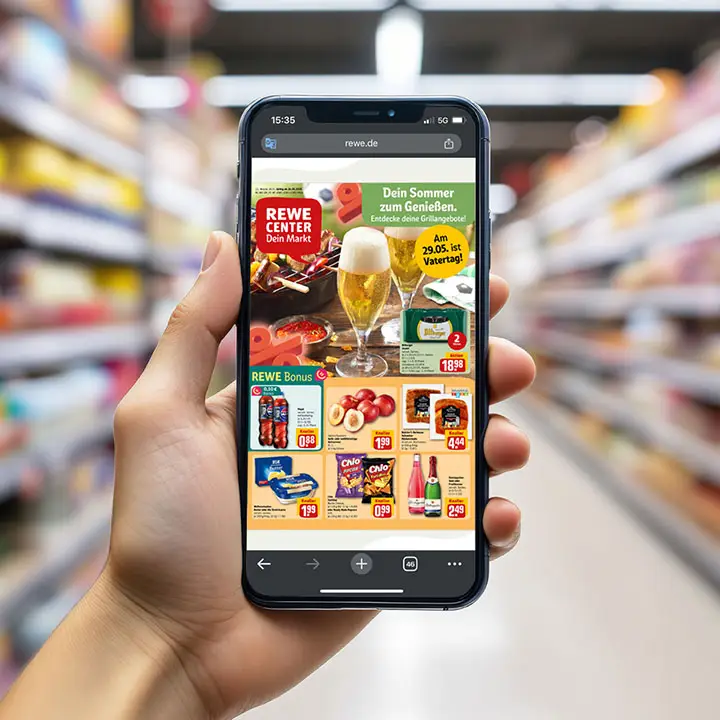
Halloween demand evolves across the season, from early planning in August to décor purchases in September and last-minute buying in October. A single static product grid cannot serve all these stages effectively. Digital catalogs allow retailers to present curated collections aligned to each phase of the journey. Platforms like Publitas enable browsable, shoppable catalogs that function as discovery environments, supporting the browse-first, buy-later behavior seen in modern halloween shopping trends.
What High-Performing Retailers Will Do Differently in 2026
Retailers who outperform this Halloween will combine early activation with smarter retail capabilities. They will launch phased campaigns well before October, organise assortments around themes and experiences, and create digital discovery environments that convert demand across the full season. They will also adopt key 2026 Halloween retail trends such as AI-powered personalization to tailor journeys, social commerce integration to capture discovery-led demand, and augmented reality shopping to improve product visualisation.
Operationally, they will support this with micro-fulfillment for faster delivery, flexible payment options to increase basket size, and sustainable retail practices such as reusable décor. Community-driven retail spaces and immersive in-store experiences will further strengthen engagement.
In contrast, underperforming retailers will rely on late promotions, category-led merchandising, and limited digital strategy. The gap is not budget-driven but rooted in planning and execution. Retailers that build this capability early create a clear advantage by peak season.
Final Takeaways for Halloween 2026 Planning
Halloween sales trends show a clear shift toward a longer, discovery-led retail cycle rather than a short seasonal spike. Success will depend on early activation, phased campaign planning, and moving from product-first to experience-led merchandising. Retailers should prioritise themed assortments, bundled offerings, and immersive categories like décor to drive higher basket value. Strong digital discovery across social, content, and catalogs will be critical to capture early intent and convert it over time. Retailers that embed these strategies into planning cycles well ahead of peak season will outperform those relying on late promotions and traditional category structures.
FAQs
When should retailers start planning for Halloween 2026?
The planning window for Halloween 2026 should begin no later than late Q1 or early Q2. Campaign launches, particularly for décor and themed bundles, should target August at the latest, with teaser content possible as early as July to capture the “Summerween” segment. Halloween retail strategy that waits until September is already behind early-season buyers who represent some of the highest per-head spend in the category.
What are the fastest-growing Halloween product categories?
Based on current halloween retail trends, the fastest-growing categories are home décor, pet costumes, and adult costumes. Experience-adjacent products such as seasonal entertaining kits, atmospheric lighting, and immersive décor are also growing faster than the broader category.
How can retailers increase average order value during Halloween?
The most effective lever for increasing average order value in halloween shopping trends is themed bundling. Grouping complementary products into occasion-based sets such as party kits or matching costume bundles reduces decision friction and increases basket size. Curated digital discovery environments also support higher-value purchases.
Why is Halloween shopping starting earlier each year?
Earlier halloween shopping trends are driven by younger, higher-spending consumers who begin shopping in August or early September. Social media platforms such as TikTok create early demand by surfacing inspiration well before the traditional season. Price and inventory concerns also push shoppers to buy earlier.
How should retailers structure their Halloween campaigns for 2026?
Retailers should structure 2026 Halloween campaigns with a phased, data-driven approach. Start early with social and immersive content, scale in September with themed bundles and targeted ads, and drive October conversions using urgency, personalised offers, and experience-led in-store and online execution.
Enjoyed this article?
Get the next one straight to your inbox.