Share article
Fashion and e-commerce teams need lookbooks that do more than present a collection visually. The most useful fashion lookbook examples include minimalist collection lookbooks, product-focused layouts, seasonal edits, lifestyle formats, editorial lookbooks, interactive digital lookbooks, and shoppable lookbooks.
This blog explores seven fashion lookbook ideas and shows how brands can use them to present collections more clearly and support commercial objectives.
What Is a Fashion Lookbook?
A fashion lookbook is a curated collection presentation using photography, styling, layout, and selective editorial content. You can use it to communicate your brand aesthetic, introduce a collection, and help shoppers understand how products work together.
Unlike a traditional product catalog, which focuses on broad assortment coverage and structured product details, a lookbook is more selective and visually led.
The next step is to see how different formats support different collection and campaign goals.
Also Read: Lookbook vs Catalog: What’s the Difference and Which Format Works Best Today?
7 Fashion Lookbook Examples for Inspiration
Seven strong fashion lookbook examples include minimalist, product-focused, seasonal, lifestyle, editorial, interactive digital, and shoppable lookbooks. Each supports a different goal, from collection presentation to product discovery and purchase.
Here are seven fashion lookbook examples:
1. Minimalist collection lookbook
A minimalist lookbook uses clean layouts, generous whitespace, restrained typography, and strong product photography. This keeps attention on the clothing and reduces visual distractions that can slow product evaluation.
For digital use, keep each spread focused while adding product links or markers where shoppers need more information. This works well for premium collections or brands with a strong visual identity.
2. Product-focused fashion lookbook
A product-focused lookbook gives more space to individual garments, styling details, and supporting copy. You can combine campaign photography with product names, key features, or short editorial notes.
This helps shoppers understand featured products without turning the lookbook into a full catalog. It suits premium or campaign-led collections that need both visual presentation and practical product context.
3. Interactive digital fashion lookbook
An interactive fashion lookbook adds elements such as navigation, links, hotspots, video, or product information to the digital experience. These features help shoppers access additional details without placing too much information directly on the page.
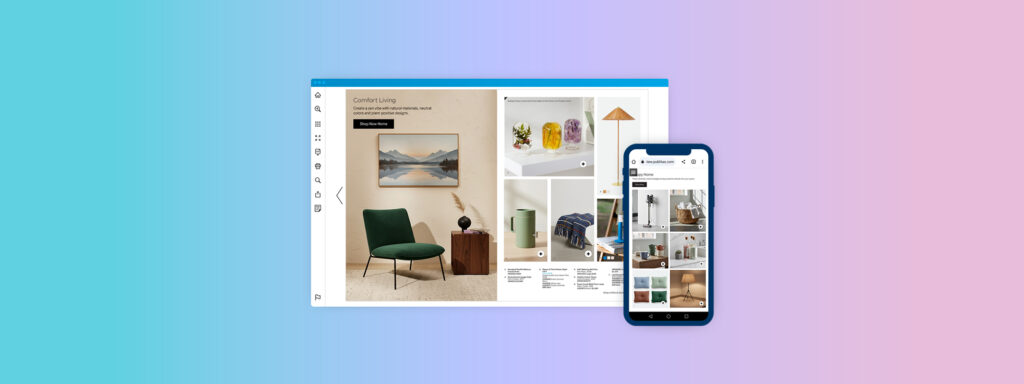
With modern digital catalog platforms like Publitas, you can create digital publications that combine visual layouts with interactive elements and product links.
4. Seasonal fashion lookbook
A seasonal lookbook organizes products around a specific season, launch, or campaign. You can group looks by theme, occasion, category, or customer need to create a clear browsing structure.
This gives shoppers more context and helps your marketing team connect seasonal imagery with relevant product or category pages.
5. Lifestyle fashion lookbook
A lifestyle lookbook shows clothing in realistic settings instead of relying only on isolated product images. This gives shoppers more information about fit, styling, occasion, and how products work together.
You can support these images with concise product information or clickable markers. The key is to keep the product identifiable so the setting adds context without reducing clarity.
6. Editorial fashion lookbook
An editorial lookbook combines stronger art direction with selective product information. You can use varied compositions, styling notes, and campaign copy to give the collection a clear point of view.
The format works best when shoppers can still identify the featured products. Product names, outfit details, and clear links help you preserve the editorial structure while supporting further evaluation.
7. Shoppable fashion lookbook
A shoppable fashion lookbook connects individual looks or products to ecommerce destinations. Shoppers can move from a styled image to relevant product information or product pages without searching for the item separately.
For ecommerce teams, this reduces friction between discovery and evaluation. A digital catalog platform like Publitas supports shoppable digital publications, allowing you to connect collection content with product-level actions while keeping the lookbook focused on visual discovery.
Across these fashion lookbook examples, the strongest lookbooks share a few principles that make product discovery easier for shoppers.
What Makes a Fashion Lookbook Effective?
An effective fashion lookbook combines strong photography, clear structure, and enough product context. Each element should help shoppers understand the collection and identify what to explore next.
Here are three principles to focus on:
Use photography that fits the collection
Use consistent, high-quality photography that makes styling, fit, and product details easy to understand. Clear visual context helps shoppers evaluate how items work together and suits the collection’s positioning.
Create a clear visual structure
Use deliberate sequencing, consistent layouts, restrained typography, and whitespace. Group products by category, occasion, color, or theme so shoppers can scan the collection without unnecessary friction.
Give readers enough product context
Add product names, short descriptions, styling details, or links where they support evaluation. In a digital lookbook, product markers can provide extra information without overcrowding the page, helping shoppers move from discovery to product detail.
Understanding these principles also helps clarify where a lookbook differs from a more product-focused digital catalog.
Fashion Lookbook vs. Digital Catalog: What’s the Difference?
A fashion lookbook focuses on visual presentation and styling context, while a digital catalog provides more structured product information to support evaluation and purchase.
| Area | Fashion Lookbook | Digital Catalog |
| Primary purpose | Presents a collection through styling, photography, and campaign direction to support product discovery. | Helps shoppers evaluate products with structured information and clearer paths to purchase. |
| Content | Uses selective photography, themes, and limited product information. | Covers broader assortments with details such as prices, sizes, colors, and links. |
| Shopping role | Helps shoppers understand how products look and work together. | Helps shoppers compare options and move closer to purchase. |
The formats overlap when a digital lookbook adds product links or shoppable markers, allowing shoppers to move from inspiration to product detail.
It is also useful to compare digital and print lookbooks to understand how each format supports distribution, updates, and ecommerce.
Digital vs. Print Fashion Lookbooks
Digital and print lookbooks can support the same collection, but they serve different operational needs. For marketing and ecommerce teams, the main differences are accessibility, update speed, interactivity, and connection to online shopping.
| Area | Digital Lookbook | Print Lookbook |
| Accessibility | Available across web and mobile devices. | Limited to physical distribution. |
| Distribution | Can be shared through websites, email, social channels, and direct links. | Requires printing, shipping, or in-store distribution. |
| Interactivity | Can include links, hotspots, video, and product information. | Limited to static content. |
| Updates | Content can be revised without another print run. | Changes usually require reprinting. |
| Ecommerce connection | Can link shoppers directly to product or category pages. | Requires shoppers to move to another channel to continue product evaluation. |
The next step is to plan and build the lookbook.
How to Create a Fashion Lookbook
To create an effective fashion lookbook, set a clear collection goal, consistent visual direction, and an easy path from discovery to product detail.
Here are the key steps:
- Define the collection: Set the audience, campaign goal, and featured products.
- Plan the visual direction: Choose the photography, layout, and styling approach.
- Photograph the products: Use consistent images that show fit, detail, and styling.
- Organize the looks: Group products by theme, category, occasion, or color.
- Design the pages: Keep layouts clear, consistent, and easy to scan.
- Publish the lookbook: Use a format that works across relevant digital channels.
- Connect products: Add links or markers that guide shoppers to product pages.
Once the lookbook is structured, you can add product links and clear shopping paths.
Also Read: Retail Product Discovery: How to Help Shoppers Find More Products and Increase Sales
How to Make a Fashion Lookbook Shoppable
A shoppable fashion lookbook should connect visual discovery with a clear path to product detail. Product links, concise calls to action, and relevant product markers help shoppers move from a styled look to evaluation without unnecessary search steps.
For marketing and ecommerce teams, the priority is to keep the collection visually focused while making the next action easy to find. Modern digital catalog platforms such as Publitas support this by combining interactive content with product-level shopping paths.
With Publitas, you can add product hotspots and links that connect featured items directly to relevant product information, helping shoppers continue from inspiration to evaluation with fewer steps.
FAQs
What Should a Fashion Lookbook Include?
A fashion lookbook should include consistent photography, styled outfits, clear sequencing, and enough product information to identify featured items. Digital versions can also include links or product markers.
How Many Pages Should a Fashion Lookbook Have?
There is no fixed length. The page count should match the size of the collection and include enough space to present products clearly without repeating similar looks.
Can a Fashion Lookbook Be Shoppable?
Yes. A digital lookbook can include product links, hotspots, and calls to action that guide shoppers from a styled look to product details or ecommerce pages.
Enjoyed this article?
Get the next one straight to your inbox.