
Share article
Shoppers today find less than they should, not because your catalog is lacking, but because discovery breaks down before search begins.
Large assortments mean little when most products never reach the right shopper.
This article covers what product discovery in retail means, which retail merchandising strategies work, and how to strengthen ecommerce product discovery across channels.
What Is Retail Product Discovery?
Retail Product Discovery refers to the systems, experiences, and merchandising tactics that help shoppers uncover products they may not have been actively searching for.
Unlike search, which depends on a shopper already knowing what they want, product discovery in retail focuses on creating opportunities for exploration. Examples include:
- Curated collections that introduce shoppers to products they may not have considered
- Personalized recommendations based on browsing and purchase behavior
- Visual merchandising experiences that encourage exploration across categories
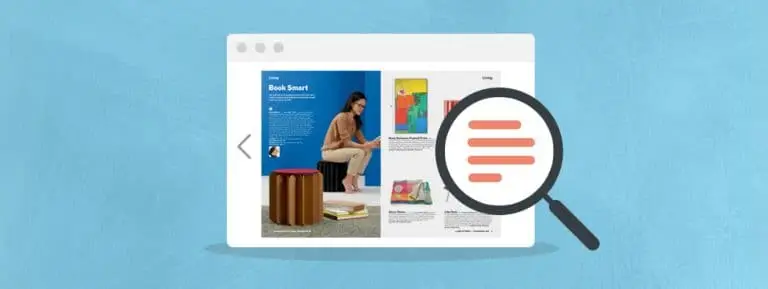
- Digital catalogs that expose shoppers to a broader assortment than navigation alone allows
7 Retail Product Discovery Strategies That Drive Results
Improve Category Merchandising
Category pages are one of the highest-impact discovery environments because they influence what customers see before search and filtering narrow their options. Effective retail merchandising turns category pages into discovery engines rather than product directories.
- Position high-margin or strategically important products where customer attention naturally concentrates
- Group products around shopping missions or occasions so shoppers discover solutions, not just SKUs
- Surface complementary products within category experiences to increase basket-building opportunities
- Test category layouts, featured products, and promotional placements regularly to improve exposure efficiency
Create Discovery-Focused Collections
Collections reduce decision fatigue while exposing shoppers to a broader assortment.
- Seasonal collections help customers discover relevant products without requiring category navigation
- Lifestyle collections showcase products in real-world context, encouraging cross-category exploration
- Problem-solving collections organize products around customer needs rather than internal hierarchies
- Curated collections built on purchasing history improve relevance and discovery efficiency
Use Visual Merchandising to Encourage Exploration
Visual presentation significantly influences discovery behavior. Retailers that invest in strong retail merchandising see measurable improvements in product interaction rates and product detail page visits.
- Use lifestyle imagery demonstrating products in realistic contexts rather than isolated product shots
- Showcase complete product combinations instead of individual SKUs to encourage cross-category exploration
- Incorporate interactive content that invites deeper engagement beyond passive browsing
Surface New and Promotional Products Strategically
Many new products fail simply because customers never see them. Strategic placement changes that outcome without requiring deeper discounts.
- Feature new launches prominently across discovery touchpoints before they get buried by bestsellers
- Rotate promotional products into high-visibility placements throughout active campaign windows
- Integrate new and promotional products into curated collections and merchandising campaigns
Personalize Product Recommendations
- Use behavioral signals to surface products aligned with demonstrated category interests
- Recommend complementary products that naturally extend basket value
- Adjust recommendations dynamically as customer interests evolve during a session
- Prioritize new products for customers most likely to engage based on purchasing history
Optimize Product Discovery for Mobile
Mobile shoppers face greater discovery challenges due to limited screen space. Retailers must actively compensate through smarter design choices.
- Reduce navigation complexity so shoppers reach relevant products faster
- Prioritize visual product presentation over text-heavy category structures
- Surface recommendations earlier in the journey before shoppers abandon
- Minimize friction between discovery and purchase at every tap
Extend Discovery Beyond Your Website
According to Sprout Social, 82% of social media users use social platforms to discover and research products. Discovery increasingly happens outside traditional ecommerce experiences. Important channels include:
- Email campaigns and SMS marketing
- Social commerce and paid social advertising
- Digital catalogs distributed across owned and third-party channels
- Retail media campaigns and shoppable landing pages
Retailers that extend discovery across channels expose customers to more products and increase opportunities for engagement.
Why Retail Product Discovery Matters More Than Ever
Product assortments continue to expand while customer attention becomes increasingly limited. According to Constructor’s research, 44% of shoppers report it takes at least three minutes to find the product they need on a retail site, signaling a significant gap between what customers expect and what most retailers currently deliver.
Customers Only See a Small Portion of Your Inventory
Without strong discovery systems, most of your assortment stays invisible. The challenge is not assortment size. It is exposure efficiency.
- Thousands of products remain undiscovered despite being available for purchase
- High-potential products compete against established bestsellers for limited attention
- New product launches struggle to gain momentum because customers never encounter them organically
Search Depends on Customers Knowing What They Want
Search works best when customers already know what they need. Discovery serves a fundamentally different purpose.
- It introduces alternatives customers would not have thought to search for
- It expands consideration sets before purchase intent fully forms
- It reveals products through context and inspiration rather than keyword queries
Promotions and New Products Go Unnoticed
Without discovery mechanisms, even well-funded campaigns underperform.
- Campaign visibility remains limited to customers who already know the promotion exists
- Promotional investments fail to reach new or browsing audiences
- New products lose early momentum because they never appear in organic browsing paths
Product Discovery Is Inconsistent Across Channels
Many retailers create different experiences across touchpoints. The result is fragmented ecommerce product discovery that weakens overall performance.
- Product exposure varies significantly between website, email, and paid channels
- Customer journeys feel disconnected when discovery does not carry across touchpoints
- Inconsistent retail merchandising reduces campaign effectiveness at scale
Mobile Experiences Limit Exploration
Mobile interfaces naturally constrain how much of your assortment shoppers encounter. Retailers that do not compensate lose significant discovery opportunities.
- Customers browse fewer categories and view fewer products per session on mobile
- Navigation-dependent discovery underperforms because mobile menus discourage deep exploration
- Recommendations and curated content become the primary discovery mechanism for mobile shoppers
How Digital Catalogs Improve Retail Product Discovery
Digital catalogs create discovery opportunities that traditional ecommerce experiences often struggle to replicate. See how digital product discovery techniques work in practice for a deeper breakdown of catalog-specific approaches.
They Create Discovery Before Search Begins
Catalog experiences expose customers to products before any search behavior begins. This shifts the discovery moment from intent-driven to inspiration-driven.
- Product awareness expands before shoppers form a specific purchase intent
- Customers encounter categories and products they would not have navigated to independently
- Retail Product Discovery starts earlier in the journey, creating more purchase opportunities
They Showcase More Products in Context
Context dramatically improves discovery effectiveness.
- Customers understand how products relate to one another within broader purchase journeys
- Visual associations encourage cross-category exploration and basket expansion
- Retailers can tell merchandising stories difficult to communicate through standard category grids
- Products buried within deep navigation structures gain meaningful exposure
They Connect Inspiration With Purchase
Modern digital catalogs support shoppable experiences that eliminate the gap between browsing and buying.
- Shoppers move from product inspiration to purchase without leaving the experience
- Reduced friction between discovery and conversion captures demand that would otherwise be lost
- Shoppable catalog formats improve engagement-to-conversion rates across audiences
Learn more about shoppable content and how it bridges browsing and buying.
They Extend Discovery Across Marketing Channels
Digital catalogs do not live only on your website. They extend product discovery in retail across every channel your customers use.
- Email marketing campaigns embedding catalog content reach customers in high-intent moments
- Social commerce placements shorten the path from content to purchase
- Paid advertising formats built around catalog experiences improve relevance and click-through
- CRM and seasonal promotions gain a stronger discovery layer when catalog content is integrated
Metrics to Measure Product Discovery Success
Measurement is critical for understanding discovery effectiveness.
Engagement Metrics
- Average engagement time per session
- Product interaction rate
- Repeat visits and catalog completion rates
Discovery Metrics
- Product exposure rates showing how much of the assortment customers encounter
- Product click-through rates identifying which products convert visibility into interest
- Category exploration depth measuring how broadly customers engage
- New product interaction rates indicating launch visibility effectiveness
Revenue Metrics
- Revenue generated from products discovered through merchandising vs. direct search
- Average order value differences between customers exposed to discovery experiences and those who are not
- Cross-category purchase rates indicating successful assortment exploration
- Assisted conversion revenue influenced by discovery touchpoints
The Future of Retail Product Discovery
Retailers are already moving toward:
- AI-driven product recommendations that personalize discovery at individual customer level
- Real-time merchandising decisions informed by live behavioral signals
- Dynamic assortment presentation adapting to context, location, and lifecycle stage
- Context-aware shopping experiences that meet customers at the right moment
Publitas helps retailers create richer digital catalog experiences that improve product exposure, support retail merchandising objectives, and extend digital product discovery across multiple customer touchpoints. Explore ecommerce product discovery strategies for practical implementation guidance.
Conclusion
Retail Product Discovery directly influences visibility, engagement, and revenue performance.
Retailers that invest in stronger product discovery in retail expose more products to more shoppers, strengthen digital product discovery, and build better ecommerce product discovery experiences.
Book a demo with Publitas to see how.
FAQs
How Can Retailers Improve Product Discovery Without Redesigning Their Entire Website?
Retailers can improve discovery through better merchandising, curated collections, personalized recommendations, digital catalogs, and improved product placement strategies without a full website rebuild.
What Is the Difference Between Retail Product Discovery and Ecommerce Search?
Search helps customers find products they already know they want. Product discovery in retail helps customers uncover products they may not have been actively searching for, creating entirely new purchase opportunities.
Which Channels Influence Product Discovery the Most?
Website merchandising, digital catalogs, email campaigns, social commerce, paid media, and recommendation engines are among the most influential discovery channels for enterprise retailers.
How Do Digital Catalogs Support Retail Product Discovery?
Digital catalogs expose shoppers to more products, provide stronger merchandising context, connect inspiration with purchase through shoppable experiences, and extend discovery across email, social, and paid media channels.
What Metrics Should Retailers Track to Measure Product Discovery Performance?
Track engagement time, product interaction rates, category exploration depth, product detail page visits, assisted conversions, average order value, and revenue contribution from products discovered through merchandising experiences.
Enjoyed this article?
Get the next one straight to your inbox.