Share article
Flipp alternatives for retailers include owned shoppable catalogs, which let you publish weekly ads on your own website while retaining your audience, branding, and first-party data. As an alternative to Flipp for retailers, owned catalogs give you greater control over customer relationships while supporting product discovery and measurable engagement.
Other strong options include retail media networks for paid reach, digital circular platforms for a similar flyer experience, and direct channels such as store apps and email. The best choice depends on whether your priority is cost efficiency, data ownership, or maximum reach.
| Channel | Best for | You own the audience? | First-party data | Cost model | Effort |
| Owned shoppable catalogs | Long-term growth & customer ownership | Yes | Yes | Platform subscription | Medium |
| Retail media networks | Incremental reach | No | Limited | Media spend | High |
| Digital circular platforms | Weekly ad distribution | No | Limited | Vendor-dependent | Low |
| Store app + email | Loyalty & repeat purchases | Yes | Yes | CRM/marketing platform | Medium |
Verdict: If your strategic priority is building an owned audience and improving merchandising over time, an owned shoppable catalog is the strongest Flipp alternative. Retail media networks and platforms like Flipp expand reach, but they do not provide the same level of first-party customer ownership or long-term data value.
Are You a Shopper or an Advertiser?
If you’re a shopper, the closest Flipp competitors are GroceryChop, Ibotta, and Basket (Reebee is often listed too, but it’s been part of Flipp since 2022, so it no longer counts as independent). However, if you are here to save on groceries, the consumer apps above will serve you better, and being upfront about that keeps the rest of this guide focused squarely on advertisers looking for a Flipp alternative they can own.
Why Retailers Look for a Flipp Alternative
Retailers evaluating a Flipp advertising alternative usually want more control over customer relationships, first-party data, and marketing performance. They look for a Flipp alternative because engagement-based advertising costs can add up, shopper relationships and first-party data remain with the platform, branding and user experience (UX) are platform-controlled, and retailers increasingly want to integrate digital catalogs with e-commerce while reducing reliance on third-party aggregators and rented audience reach.
Flipp is an effective digital circular advertising network that helps retailers reach high-intent shoppers. Advertisers typically pay using engagement-based models, including Cost Per Read (CPR) and Cost Per Click (CPC), depending on the campaign.
The bigger strategic distinction is renting reach versus owning the audience. Owned digital catalogs keep shoppers within the retailer’s branded experience, connect directly to e-commerce and product feeds, and generate first-party customer data. For retailers focused on long-term growth, the best Flipp alternative combines audience reach with ownership, customization, and measurable insights.
The Best Flipp Alternatives for Retailers Compared
The best Flipp alternative depends on your goal. Owned shoppable catalogs are best for audience ownership and first-party data, retail media networks for broad measurable reach, digital circular platforms for replacing Flipp with another flyer network, and store apps with email for direct customer engagement. Most retailers combine multiple channels rather than relying on one.
1. Owned Shoppable Catalogs: Own Your Audience
Best for: Retailers that want to publish weekly ads or catalogs on their own domain while retaining full ownership of their audience, first-party data, branding, and customer experience.
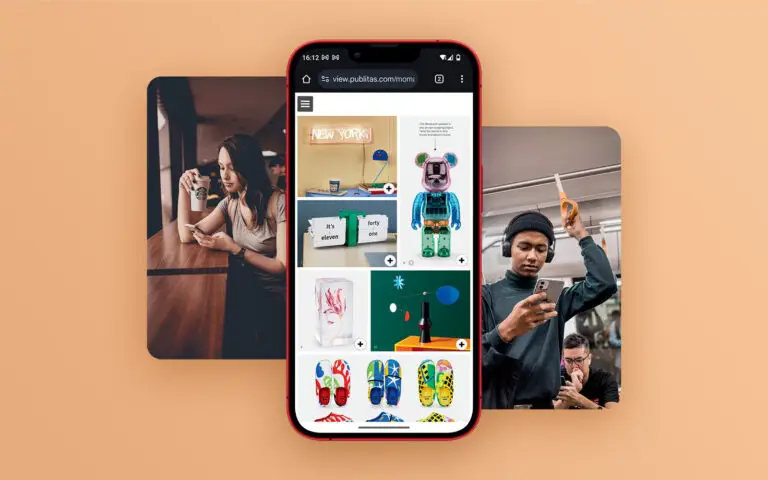
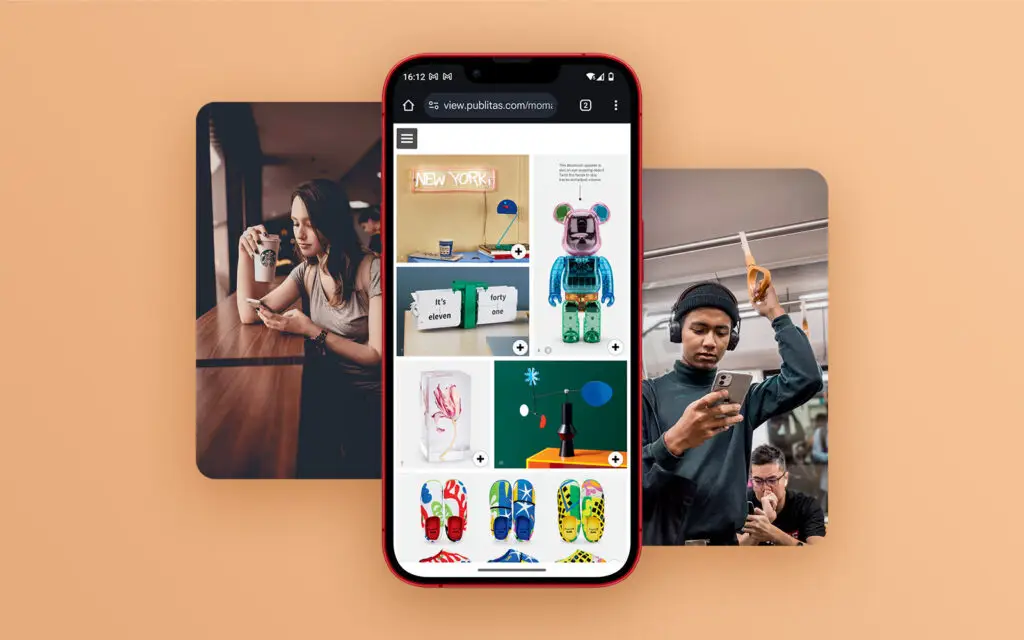
Many retailers use shoppable catalogs as a print circular replacement. Unlike third-party advertising networks, these experiences are owned and operated by the retailer. Platforms such as Publitas transform weekly ads into interactive, shoppable catalogs hosted on the retailer’s own website, where they integrate with e-commerce and remain indexable by search engines. This gives retailers full control over the customer journey, strengthens long-term SEO performance, and enables them to collect and activate 100% of their first-party data.
Takeaway: An owned shoppable catalog is the strongest Flipp Alternative for retailers focused on long-term audience ownership, first-party data, and brand control.
2. Retail Media Networks – Reach at Scale
Best for: Brands and retailers that prioritize broad, measurable reach and are comfortable paying for media distribution.
Retail media networks such as Amazon Ads, Walmart Connect, Kroger Precision Marketing, and Roundel help retailers and CPG advertising teams reach shoppers through advanced targeting, geo-targeting, and programmatic retail capabilities. They can drive both ecommerce sales and in-store traffic, but the audience relationship remains with the network.
Takeaway: Choose this Flipp alternative when maximizing reach is more important than owning the audience.
3. Other Digital Circular and Flyer Platforms
Best for: Retailers that want the digital flyer format from a different provider.
Digital circular platforms such as Shopfully, Tiendeo, and Bonial are the closest like-for-like alternatives to Flipp. They help retailers distribute weekly ads and promotional flyers through their own shopper and publisher networks. Like Flipp, these platforms extend reach but keep shopper discovery and much of the behavioral data within a third-party ecosystem rather than the retailer’s owned channels.
Takeaway: The closest direct Flipp alternatives for retailers that want digital flyer distribution, with the same audience ownership trade-off as Flipp.
4. Store-Owned Apps and Email – Direct Channels
Best for: Retailers with an existing loyalty base that want direct customer communication without paying per engagement.
Examples include a retailer’s own mobile app, Shopify Email, Klaviyo, Braze, and Salesforce Marketing Cloud. These owned channels support omnichannel promotion alongside digital catalogs. While you’ll still pay platform or software subscription fees, you don’t pay media costs for every click or engagement as you would on an advertising network.
Takeaway: The lowest ongoing media-cost alternative, with the trade-off that you must build and maintain your own audience.
What to Look for in a Flipp Alternative
When comparing Flipp vs alternatives, evaluate the cost model before price. Compare each Flipp alternative across seven criteria: audience ownership, first-party data capture, cost model, branding and UX control, shoppability, measurement and attribution, and reach. While pricing matters, the underlying cost model has a greater impact on long-term performance. A rented, per-engagement model, Cost per engagement (CPE/CPC), behaves fundamentally differently from an owned digital asset with a predictable fixed platform cost.
Before choosing a Flipp alternative, use this checklist to assess each option:
- Audience ownership: Do you keep the shopper relationship, or does the platform?
- First-party data: Can you capture, analyze, and reuse shopper data, or are you borrowing audience insights?
- Cost model: Don’t compare price alone. Compare the structure. A rented CPE/CPC advertising channel scales media spend with every engagement, while an owned platform is typically a fixed subscription that builds a long-term marketing asset.
- Branding and UX control: How much of the customer experience can you shape?
- Shoppability: Can shoppers move from discovery to cart without unnecessary friction?
- Measurement and attribution: Can you connect the channel to incremental sales, not just clicks and impressions?
- Reach: How effectively does it put your products in front of the right shoppers?
In any Flipp vs. alternatives comparison, cost model, not price, is often the deciding factor. Most comparisons focus on what a platform costs today. The more useful question is whether you’re paying repeatedly to rent shopper attention or investing in an owned channel that continues to generate value, first-party data, and customer relationships over time.
The Flipp Limitations a Better Alternative Solves
A strong Flipp alternative addresses the limitations of relying on a third-party aggregator by giving retailers ownership of the shopper relationship, predictable costs, greater branding and UX control, and first-party customer data.
| Flipp limitation | What a good alternative does |
| Audience stays with Flipp | You own the shopper relationship |
| Limited first-party data | Capture and reuse first-party data |
| Engagement-based pricing | Predictable fixed platform cost |
| Limited branding and UX control | Full control over brand and experience |
| Reach depends on Flipp’s audience | Build and grow your own audience |
| Limited e-commerce integration | Connect directly to e-commerce and product feeds |
For many retailers, the goal isn’t replacing Flipp entirely. It’s balancing third-party reach with owned channels that strengthen customer relationships and marketing performance over time. Platforms like Publitas help retailers build those owned digital experiences alongside their existing acquisition channels.
How to Move Off (or Beyond) Flipp; Step by Step
To move to a Flipp alternative, start by auditing your current Flipp performance, then choose the right channel mix for your goals. Next, launch an owned shoppable catalog or other owned channel, migrate your creative and offers, implement tracking, and run both channels in parallel before gradually rebalancing your budget.
- Audit your current Flipp investment and results: Document your spend, reach, traffic, conversions, and in-store or ecommerce outcomes to establish a baseline for comparison.
- Pick the right channel mix for your goals: Match each objective, whether it is reach, customer ownership, cost efficiency, or conversion, to the channels best suited to deliver it.
- Set up your owned channel: Publish your weekly ad as a shoppable catalog on your own domain and distribute it through owned channels such as your website, email, and app.
- Migrate your creative and offers: Repurpose your circular content and promotions so shoppers experience consistent branding and messaging across every channel.
- Add conversion tracking and measurement: Track catalog engagement, product interactions, conversions, and incremental sales so you can evaluate business impact, not just clicks.
- Run both channels in parallel, then rebalance: Keep Flipp active while your owned channel gains traction, then gradually shift budget based on incremental performance to avoid a sudden loss of reach.
Next Steps in Your Search Journey
Choosing a Flipp alternative is only the first step. The next challenge is building an owned discovery channel that delivers measurable business value. Start by learning how to create a shoppable digital catalog, then explore how first-party shopper data supports retail media strategies, and finally understand how to measure digital catalog ROI so you can compare owned channels with media networks.
If an owned, shoppable weekly ad is part of your strategy, Publitas provides a platform for publishing digital catalogs on your own domain while keeping your branding, shopper data, and performance insights under your control. Together, these resources will help you build an owned channel, make better use of shopper insights, and measure its contribution to long-term retail growth.
Most retailers don’t rely on a single channel. They combine Flipp’s reach with owned digital experiences, balancing cost, data ownership, and reach to create a more sustainable shopper marketing strategy.
Frequently Asked Questions
Is there a free Flipp alternative for retailers?
Yes. Owned channels such as email and an existing store app have no per-engagement media cost, making them the closest thing to a free alternative. Most dedicated digital catalog platforms are paid, although many offer free trials or limited plans to help retailers get started.
What’s the best Flipp alternative for owning first-party data?
An owned channel is the best way to retain first-party shopper data. A shoppable catalog on your own domain, supported by your app and email, lets you collect shopper insights without relying on a third-party network. Platforms such as Publitas support this approach by enabling retailers to publish and manage owned digital catalogs.
Can I replace Flipp with my own shoppable catalog?
Yes. A shoppable digital catalog on your own domain can deliver the same weekly promotions while allowing you to retain your audience and shopper data. The trade-off is that you are responsible for driving traffic through channels such as email, your app, search, and social media.
How does Flipp’s cost compare to alternative channels?
Flipp generally uses an engagement-based pricing model, where costs increase with shopper interactions, and it does not publish public pricing. Owned channels shift costs toward a platform subscription and implementation, allowing you to grow engagement without paying media fees for every interaction.
Do I have to leave Flipp entirely to use an alternative?
No. Most retailers continue using Flipp for reach while building an owned channel to strengthen data ownership and long-term profitability. This approach reduces dependence on a single platform and allows budget to shift gradually as owned channels grow.
Enjoyed this article?
Get the next one straight to your inbox.